Change Your Mind

Jesus was born into a divided nation. Matthew's Gospel names several factions: scribes, Pharisees, Sadducees, Herodians, and the crowds. This Sunday it features two more, the chief priests and the elders of the people. All were Jews, each with its own idea of faithfulness and of what Israel should be, and the conflicts among them could be sharp. First John the Baptist, then Jesus, offered a vision for Israel root in who God is and what the kingdom of heaven is like. Every faction had the chance to reorient. Some did. Others did not.
This was not a conflict between Christians and Jews. It was among Jews, between those who received God's messengers and those who didn't. The chief priests and elders questioned what was already clear to many. The crowds they feared believed John was a prophet and his baptism was from heaven. Even tax collectors and prostitutes believed, Jesus said, implying that they also recognized his authority came from God. Standing before Jesus, ordinary and even despised Jews proved more perceptive, more willing to change, and more righteous than their leaders. The last truly became first.
Yet many Christians still believe Christians have replaced Jews as God's people. Even when we don't go that far, we hold adjacent ideas. For example, that the God of the Old Testament is angry and demanding, while Jesus introduced (for the first time?) a God of grace. Neither is true. The Old Testament itself says otherwise, and so does Paul:
"Then what advantage has the Jew? ... Much, in every way. For in the first place the Jews were entrusted with the oracles of God. What if some were unfaithful? Will their faithlessness nullify the faithfulness of God? By no means!" (Romans 3:1–3)
God keeps God's promises. Period. God will keep covenant with the Jewish people just as surely as with the church.
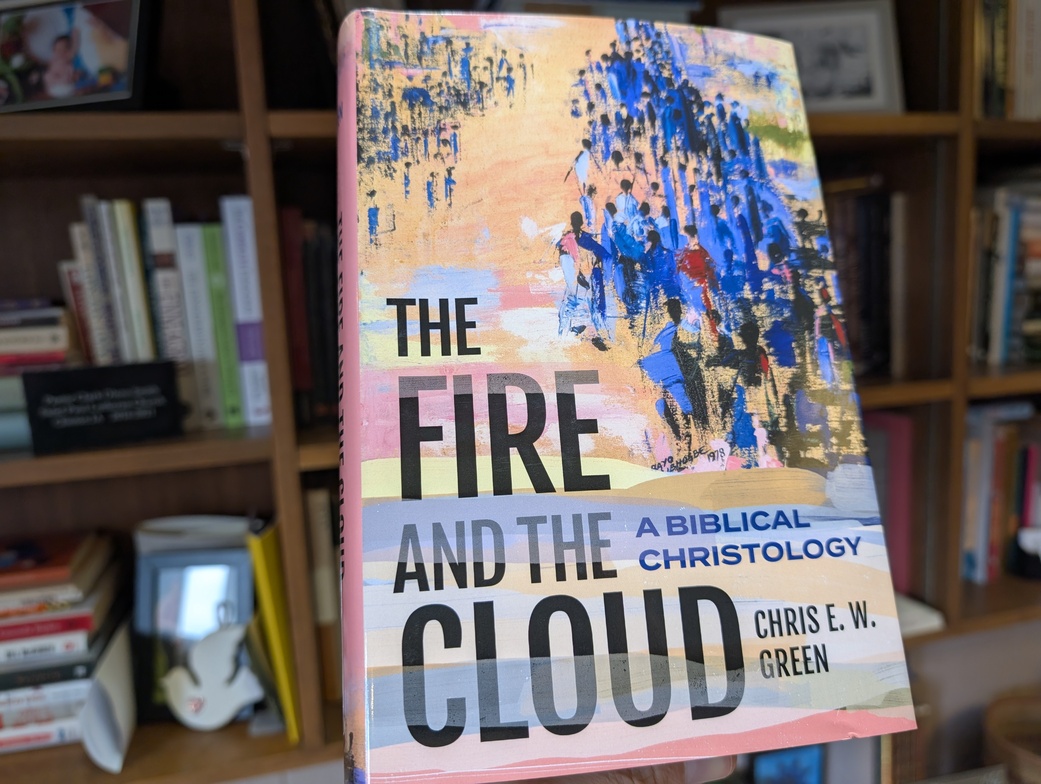
"[T]he church exists because of God's faithfulness to Israel, not because of Israel's unfaithfulness to God," writes Christian scholar Chris E. W. Green, whose new book is leading me down this path of repentance. Jews and Christians, he says,
"only appear to be moving along diverging paths, keeping our own company; in reality, we're being led together toward a final, [redeeming] convergence and the fulfillment of the prophet's hope. ... Our differences, real though they are, are cause not for denunciation or rivalry but for genuine respect, even amazement – at each other, at God."
A father asks his two sons to work in his vineyard, says Jesus. One says yes but never goes. The other refuses, then changes his mind and goes. For centuries, Christians read this story as a verdict on the Jewish people. But both sons are Jews, and Jesus was not condemning the leaders so much as asking them to change their minds. Jesus asks the same of us: to change our minds and go do the work of love we have thus far refused. It's not too late. And in God's unbreakable faithfulness to the Jewish people, we find our surest reason to trust God's faithfulness to us.
Thanks be to God.
Pastor Clark Olson-Smith